The 7 Email Automation Flows Every E-commerce Brand Needs in 2026
The triggered sequences that drive the majority of email revenue — with send timing, segmentation logic, and subject line approaches.
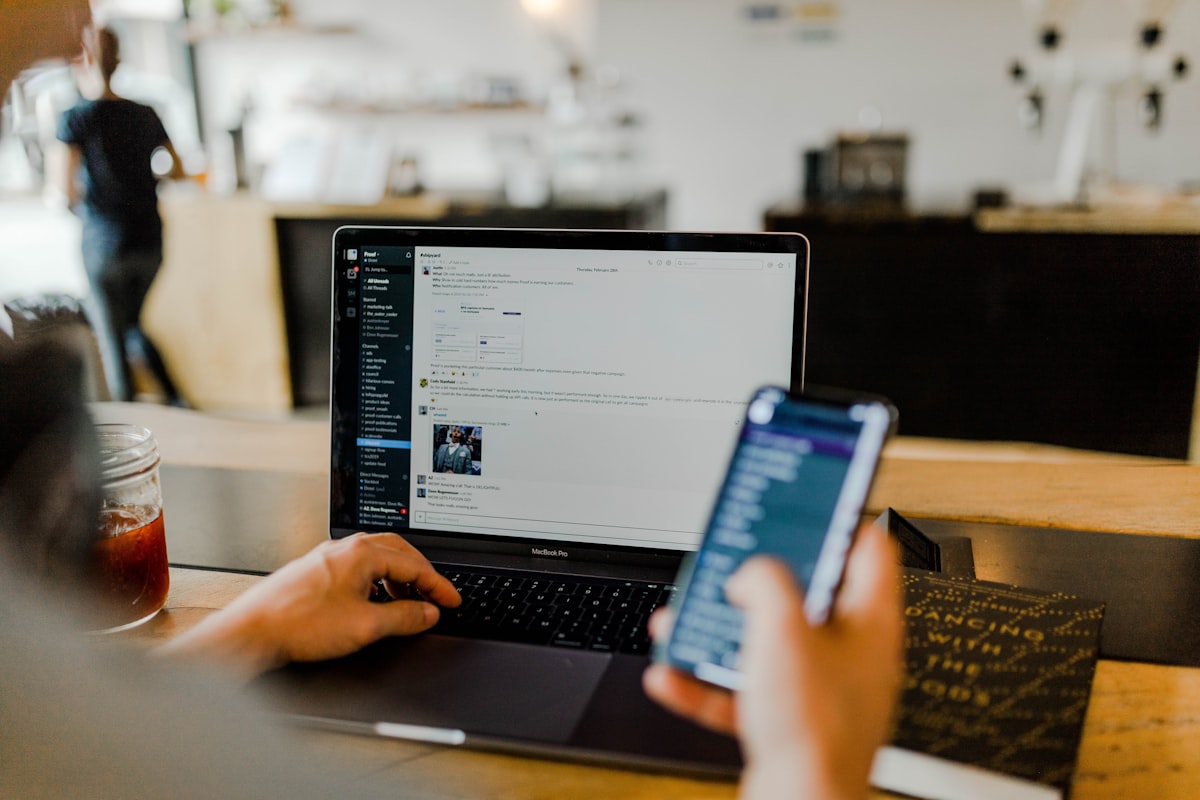
For most e-commerce brands, 3–5 automated flows generate 30–45% of total email revenue. The work is front-loaded in setup; the returns compound over time without ongoing effort.
36×
average ROI for email marketing compared to any other digital channel (Litmus Email Marketing ROI Report 2024)
45%
of e-commerce brands generate over 45% of their total email revenue from automated flows, not broadcast campaigns (Klaviyo 2024)
5–15%
of abandoned carts recovered by a well-structured 3-email sequence — without discounts in the first message
Why Automated Flows Outperform Broadcast Campaigns
Broadcast campaigns require ongoing effort — content planning, copy writing, design, scheduling, and list management — for a single send to a broad audience. Automated flows require significant upfront investment and minimal ongoing maintenance, sending highly relevant messages at exactly the moment the subscriber is most receptive: just after opting in, just after abandoning a cart, or just after a purchase. Relevance and timing are the two strongest predictors of email engagement, and automated flows optimise both simultaneously.
The compounding effect is significant. A well-constructed welcome series built once continues generating revenue for every new subscriber indefinitely. A brand that delays setting up automations for 12 months doesn’t just miss 12 months of revenue — it misses the compounding of a growing subscriber base responding to those automations. The opportunity cost of delayed implementation is larger than most email marketing teams realise.
“The best time to set up your welcome series was when you got your first subscriber. The second best time is today. Every day without it is revenue you’ve permanently forfeited.”
1. Welcome Series (Days 0–7)
The highest-ROI flow for every e-commerce brand. Trigger: new subscriber opt-in. Structure: Email 1 (immediate) — brand story + welcome discount if applicable. Email 2 (day 2) — bestsellers or category navigation. Email 3 (day 5) — social proof — reviews, UGC, or press. Email 4 (day 7) — urgency nudge if no purchase.
2. Abandoned Cart (1h, 24h, 72h)
Industry average cart abandonment rate is 70%. A 3-email sequence recovers 5–15% of those carts for most brands. Timing: Email 1 at 1 hour (low-friction reminder, no discount). Email 2 at 24 hours (product benefits + urgency). Email 3 at 72 hours (offer 10% if still haven't purchased).
3. Browse Abandonment (4h, 48h)
Triggered when a subscriber views a product but doesn't add to cart. Lower intent than cart abandonment but much higher volume. Two-email flow: personalised product reminder at 4 hours, social proof + alternatives at 48 hours. Recommend this category when the product has enough view signal (5+ page views in session).
4. Post-Purchase Flow (Day 1, 7, 21)
Reduces buyer’s remorse, increases LTV, and generates reviews. Email 1 (day 1): confirmation + what to expect. Email 2 (day 7): usage tips or getting started guide. Email 3 (day 21): review request + referral programme introduction.
5. Winback Flow (60, 90, 120 days)
Target: subscribers or customers who haven't opened email or purchased in 60+ days. Email 1: "We miss you" — latest products. Email 2 (90 days): Discount or exclusive offer. Email 3 (120 days): Final re-engagement attempt. If still no activity: remove from list to protect deliverability.
6. VIP / High-LTV Flow
Trigger: customer who has made 3+ purchases or crossed a spend threshold. These customers respond strongly to early access, exclusive offers, and community inclusion. This isn't a discount flow — it rewards loyalty with access, not just price reduction.
7. Back-in-Stock / Price Drop Alerts
Collected at product page level. Trigger: inventory update or price reduction event. This flow performs extremely well because it’s hyper-relevant — the subscriber explicitly asked to be notified. A single email with a clear CTA is sufficient. Segment by product category to personalise further.
Deliverability: The Silent Flow Killer
Automated flows only generate revenue if they reach the inbox. Email deliverability is determined by sender reputation — a function of your domain authentication, sending behaviour, and list hygiene. A flow that sends to a list with 40% inactive subscribers will see open rates below 10%, trigger spam filters, and progressively damage your sender domain. The infrastructure that protects deliverability:
- SPF, DKIM, DMARC records: Domain authentication is the minimum requirement for inbox placement in 2026. Gmail and Yahoo’s 2024 sender requirements made DMARC mandatory for bulk senders. Verify these records before launching any flow.
- Custom sending domain: Never send marketing email from a shared platform domain (e.g., klaviyoemail.com). Use your own branded sending domain with proper DNS records for maximum reputation control.
- List hygiene schedule: Remove subscribers who haven’t opened in 120+ days. A smaller, engaged list generates more revenue than a large, disengaged one — and protects your sender reputation from soft-bounce accumulation.
- Warm-up new sending domains: When switching to a new domain or email platform, warm up gradually — start with 500 sends/day to your most engaged subscribers, doubling volume weekly. Sending to 100,000 subscribers on day 1 from a new domain guarantees deliverability problems.
Segmentation: The Multiplier for All Flows
The same message sent to your entire list will always underperform the same message sent to a relevant segment. Every flow described above can be materially improved with basic segmentation: by product category purchased or browsed, by average order value tier, by acquisition source, by geographic location, or by engagement level (opens in last 30 days vs. last 90 days).
The most impactful segmentation for early-stage e-commerce brands is product category: customers who purchased skincare products should receive different post-purchase sequences than customers who purchased supplements. The content, tone, and timing recommendations are different — and personalisation at this level typically improves open rates by 14% and revenue per email by 20–40% compared to non-segmented equivalents.
Email Automation Setup Checklist
Work through these in order — each flow builds on the last. Complete the top flows before building less-critical ones:
- Welcome series (4 emails, 0–7 days) configured and live
- Abandoned cart sequence (3 emails: 1h, 24h, 72h) active
- Post-purchase flow (3 emails: day 1, 7, 21) sending
- Browse abandonment trigger set up for high-view products
- Winback flow active for 60-day inactive subscribers
- VIP threshold defined and high-LTV segment created
- Back-in-stock / price drop subscriptions collecting on product pages
- Subject lines A/B tested with >1,000 sends per variant
- Deliverability verified — SPF, DKIM, DMARC records configured
- List hygiene scheduled — inactive subscribers removed at 120 days
limegrid sets up and manages e-commerce email automation on Klaviyo, Mailchimp, and Active Campaign. Email Marketing Services →
Automate Your Email Revenue
Ready to set up email flows that generate revenue without manual campaigns?
We audit, design, and implement your full automation stack. Book a free call to get started.